


/file/publisher-c1a3f893382d2b2f8a9aa22a654d9c97/2024/09/d906a6396e8d00b7dfaa59680e928252.jpg)

Pahang Jakoa director quits state corporation after Orang Asli pushback
The Pahang Orang Asli Development Department (Jakoa) director has stepped down as a board member of the Pahang Orang Asli Corporation (Oraco) after heightened tensions between the Pahang-owned company and the Orang Asli community last month.
“From the outset, Oraco’s agenda has been...
The Pahang Orang Asli Development Department (Jakoa) director has stepped down as a board member of the Pahang Orang Asli Corporation (Oraco) after heightened tensions between the Pahang-owned company and the Orang Asli community last month.
“From the outset, Oraco’s agenda has been detrimental to the Orang Asli community.
“After conflicts between Orang Asli villagers and Oraco, (Pahang Jakoa director) Johari Alwi became embarrassed and consequently resigned from Oraco," Orang Asli activist Zurdi Baharu told Malaysiakini.
In 2022, Pahang Menteri Besar Wan Rosdy Wan Ismail announced that Oraco was established to empower the Orang Asli by safeguarding their welfare and economic interests.
“The issue of Orang Asli has been politicised, with the involvement of indigenous individuals who, however, do not genuinely represent the true desires and aspirations of the grassroots community," Zurdi claimed.
When contacted, Johari (above) said he could no longer comment about Oraco as he had just resigned from his position in the company.
Disappointment towards Jakoa
On Aug 1, another Orang Asli activist, Eliana Tan, voiced her anger and disappointment towards Jakoa and the Pahang state government for not properly consulting Orang Asli communities before taking over replanting projects previously managed by the Rubber Industry Smallholders Development Authority.
Tan claimed that Oraco took over the Orang Asli’s commercial replanting projects (TSK) despite opposition from the villagers.
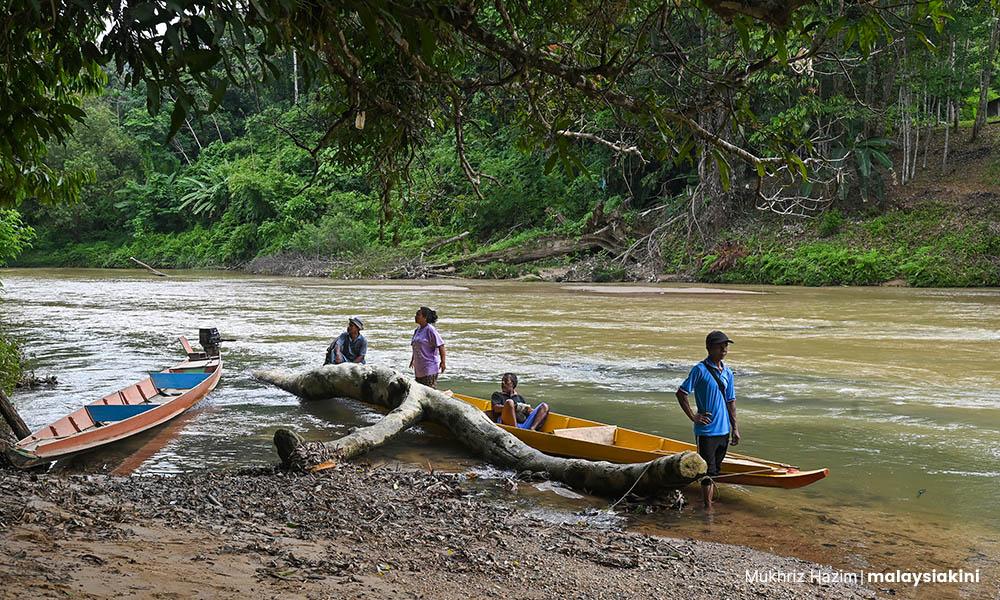
Following Tan's remarks, Jaringan Orang Asal SeMalaysia (JOAS) released a statement on Aug 28 to the effect that it was disappointed over the issue.
JOAS noted that, as a state-owned entity, Oraco should focus on the development and welfare of the Orang Asli and urged Oraco to halt all activities and engage in sincere consultation with the villagers.
“It is crucial that all stakeholders, particularly the Orang Asli communities, are meaningfully involved in land use and resource management discussions.
“This process must ensure that the rights, interests, and well-being of Indigenous people are respected and upheld,” the statement read.
/file/publisher-c1a3f893382d2b2f8a9aa22a654d9c97/2023/07/f5c9ccd56d5ec5bee2c76e8767b73111.jpg)
/file/publisher-c1a3f893382d2b2f8a9aa22a654d9c97/2022/12/f41b0d32a3d9c9c9e48088c5522d6464.jpg)
/file/publisher-c1a3f893382d2b2f8a9aa22a654d9c97/2021/03/e73f35cd1ef48d856aa4c91aecdfc538.jpg)
/file/publisher-c1a3f893382d2b2f8a9aa22a654d9c97/2024/05/4e353cfd9b72271189d5ed46cbc20a6c.jpg)


Are you sure you want to delete this comment?
This action cannot be undone.